Stephen Hignell stephen@stephenhignell.com Email me

Work

A selection of my work

PolicyUganda

Uganda's cultural policy reached for entrepreneurship, technology, gender equality and inclusive growth
The problem
Uganda's cultural policy dated from 2006. The sector it covered had grown to employ 386,000 people and was ready for a policy that reflected it.
What I did
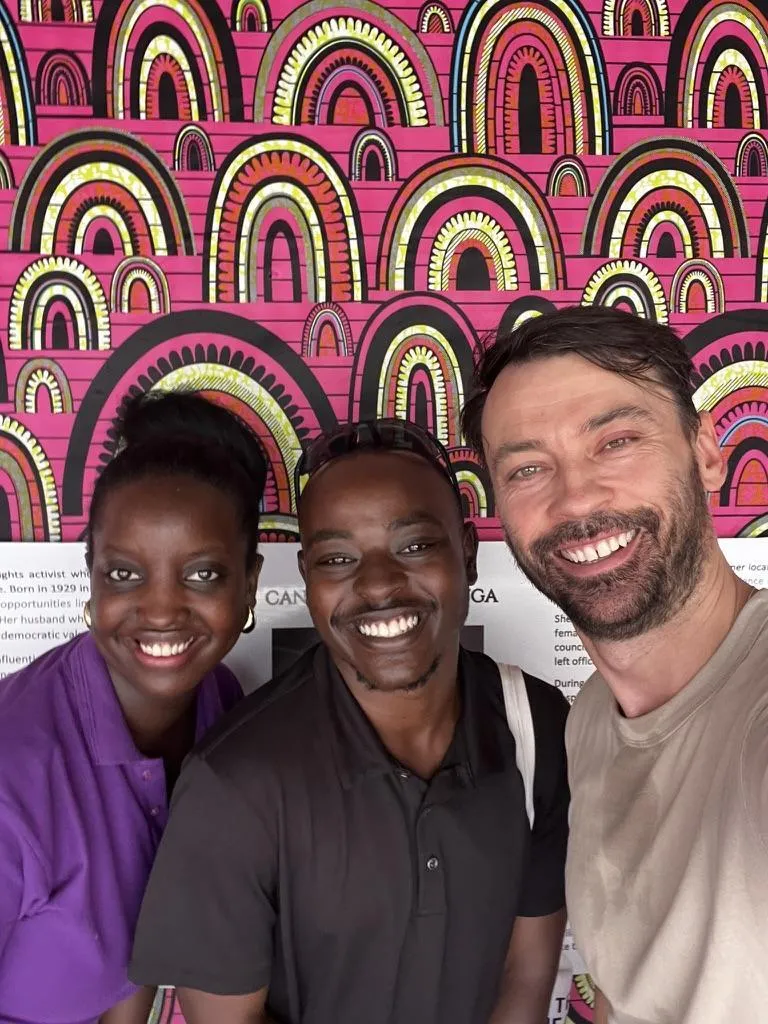
As Lead Expert I made two missions to Uganda. Our partner CDEA led the field research, and we benchmarked across Sub-Saharan Africa and ran four days of capacity building with more than 350 practitioners, institutions and policymakers.
What changed
The Ministry of Gender adopted the recommendations. UNESCO, the ILO, the Swedish development agency and the National Planning Authority all opened talks as a result, and the sector had a policy it helped to write.

Nineteen years since the last policy More: Uganda's cultural policy reached for entrepreneurship, technology, gender equality and inclusive growth
StrategyIraq

More than 600 Iraqi creatives helped map their own sector for the first time

The problem
Iraq, the country that invented writing, had no national picture of its creative economy and needed an evidence base of its own.
What I did
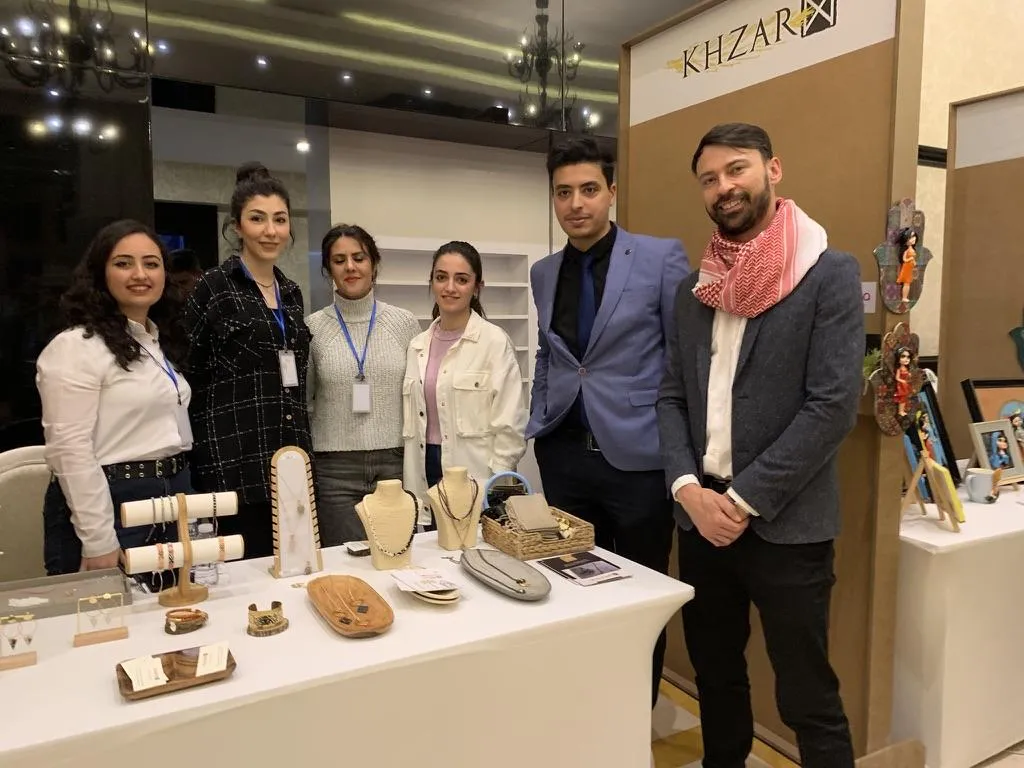
I led the first national mapping of Iraq's cultural and creative industries for the British Council. With Iraqi agency BeCorp, we heard from more than 600 people in over ten cities and four languages.
What changed
Iraq has its first national picture of its creative economy, built by Iraqis, and the evidence to make its case to investors and international partners.

More than 600 Iraqi creatives consulted More: More than 600 Iraqi creatives helped map their own sector for the first time

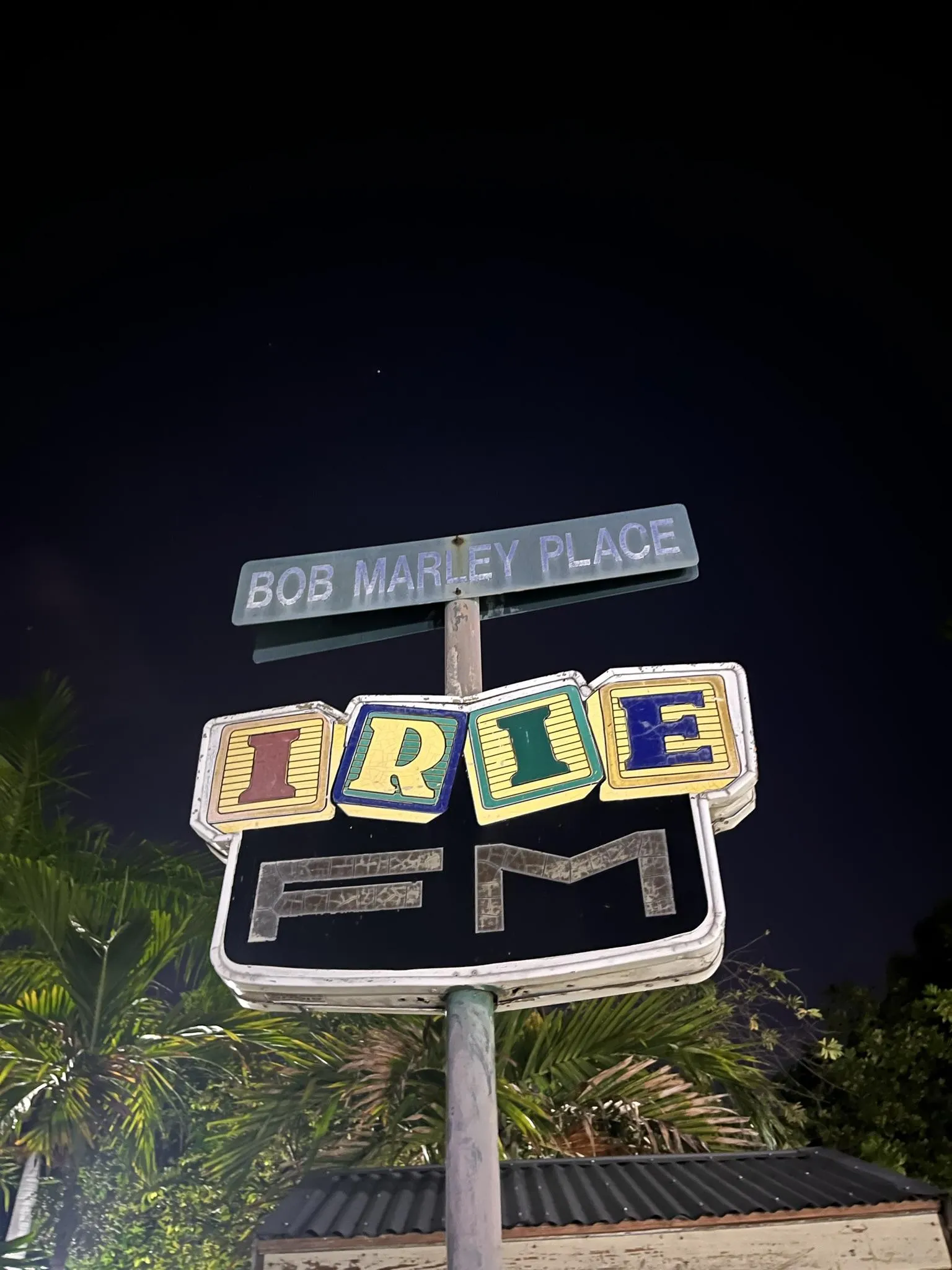
ImpactJamaica

Jamaica's culture moves the world. Its accounts barely noticed.

The problem
Reggae sits on UNESCO's heritage list and Brand Jamaica is recognised on every continent. The national accounts held only part of that picture.
What I did
For the Jamaica Business Development Corporation and UNESCO, we piloted six methods of measuring economic impact, mapped 3,197 stakeholder touchpoints and ran 316 surveys with more than 50 data points each.
What changed
We piloted the six methods and identified a uniquely Jamaican method that could still be aligned with the UNESCO framework but in a truly domestic Jamaican way.

Six measurement methods tested More: Jamaica's culture moves the world. Its accounts barely noticed.

EvaluationMexico & UK

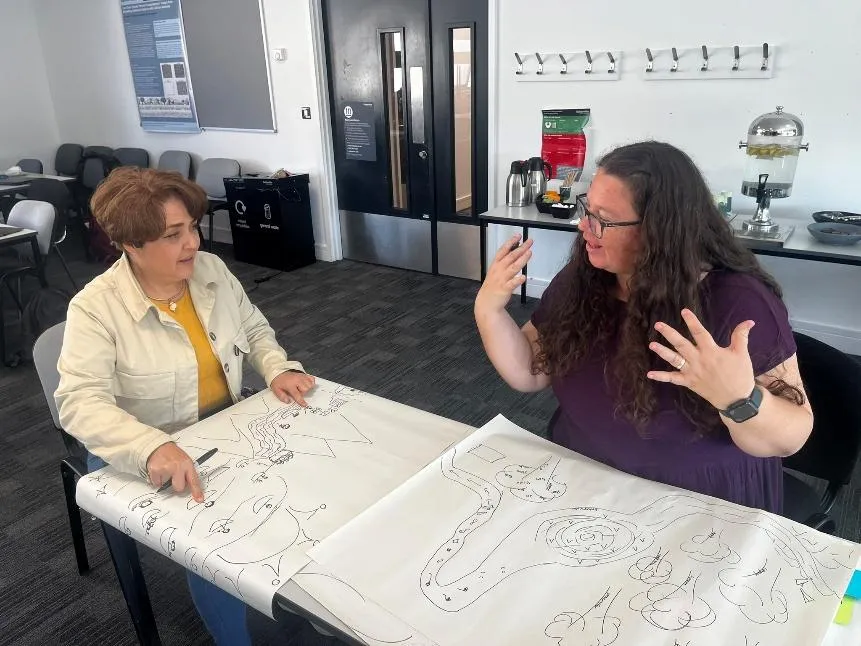
One participant answered the evaluation with a short film

The problem
The British Council wanted to know what its Creative Leadership Programme had changed, in a way the participants would recognise.
What I did
I led monitoring and evaluation across six editions. Creative methods such as Leadership Trees and Rivers of Learning sat alongside a 4Es value-for-money assessment, so participants could answer in their own way.
What changed
Every participant took part in every survey wave, and the evidence was richer than standard surveys had found. One participant answered with a short film.

10/10 participants in every survey wave More: One participant answered the evaluation with a short film

Capacity buildingPhilippines

The data existed in fragments. We helped build the capacity for the systems to work.

The problem
The Philippines had a law asking for creative economy statistics and data held across two agencies. It was ready for an agreed definition, method and owner.
What I did
With Lai del Rosario I designed and led four days of workshops in Manila for DTI and PSA, with online work before and after. We compared international frameworks with Philippine realities and tested them across four sectors.
What changed
The agencies left with a clear scope, a set of methods with the assumptions written down, a governance model and a three-year roadmap they wrote themselves. PSA has continued to build the account since.

Two national institutions aligned More: The data existed in fragments. We helped build the capacity for the systems to work.

StrategyZimbabwe

In Zimbabwe, creators watched their work sell every day while many of them earned nothing from it

The problem
Zimbabwe's creators saw their work sold every day and many earned nothing from it. The copyright law had been written before the internet.
What I did
As Lead Expert for the ICR Facility and the Ministry of Sport, Recreation, Arts and Culture, I produced an evidence report, policy brief, anti-piracy strategy and action plan with IP lawyer Brenda Matanga and 55 survey responses from the sector.
What changed
Every participant reported a better understanding of their IP rights. The strategy launched to 70 stakeholders, including members of parliament, with the sector at the centre of it.

100% of participants reporting better IP understanding More: In Zimbabwe, creators watched their work sell every day while many of them earned nothing from it

Contact

Want a fresh take on strategy, evaluation and impact?

Tell me what you're trying to find out.

Email Stephen Or book a call
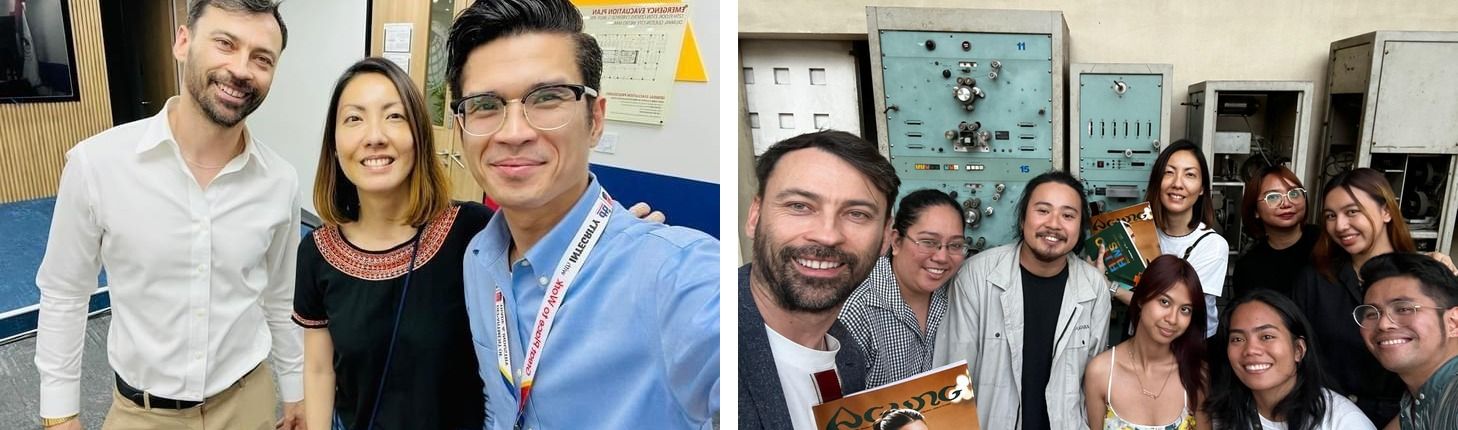
Stephen with colleagues and participants at the closing session of the Philippines programme