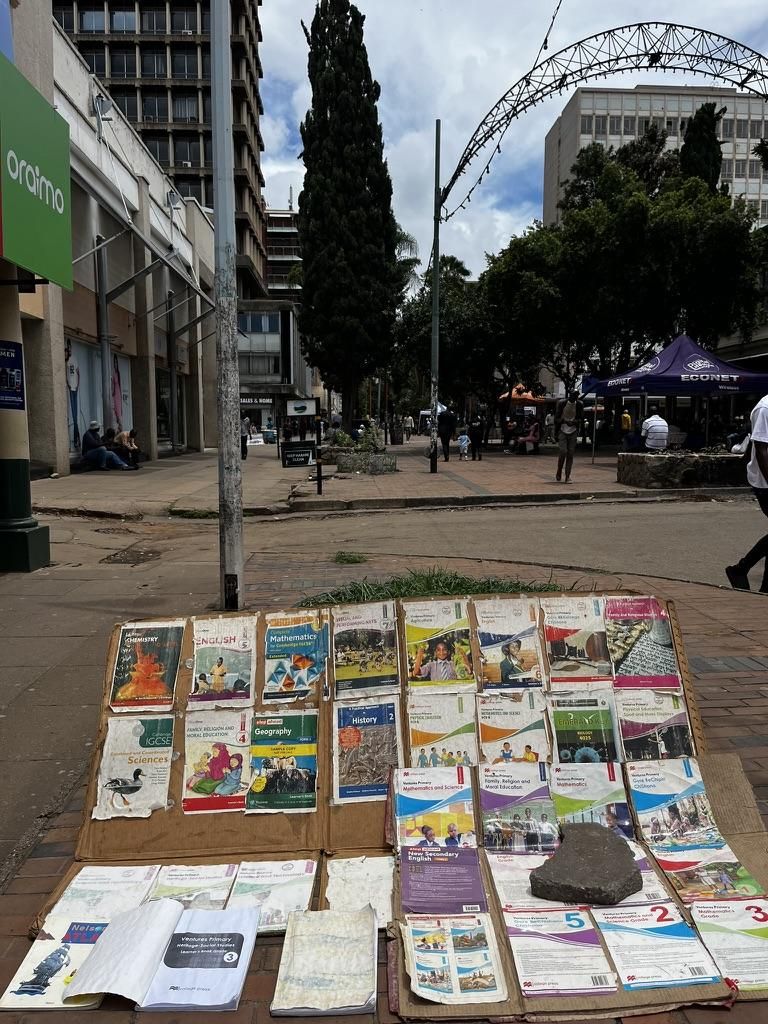
Walk through central Harare and the creative economy is laid out on the pavement, with books, music and films arranged neatly on groundsheets and sold for a fraction of their price. Most of it is pirated. The musicians, writers and filmmakers who made it see none of the money, and under copyright law drafted generations before the internet, they had little practical way to change that.
That is what it means for a creative economy to run without functioning intellectual property. Work gets made, loved and sold, and the value leaks out of the sector at every step. Zimbabwe’s Ministry of Sport, Recreation, Arts and Culture asked the ICR Facility for help, and I was appointed Lead Expert to strengthen the IP framework for the country’s cultural and creative industries.
Strategy with a local spine
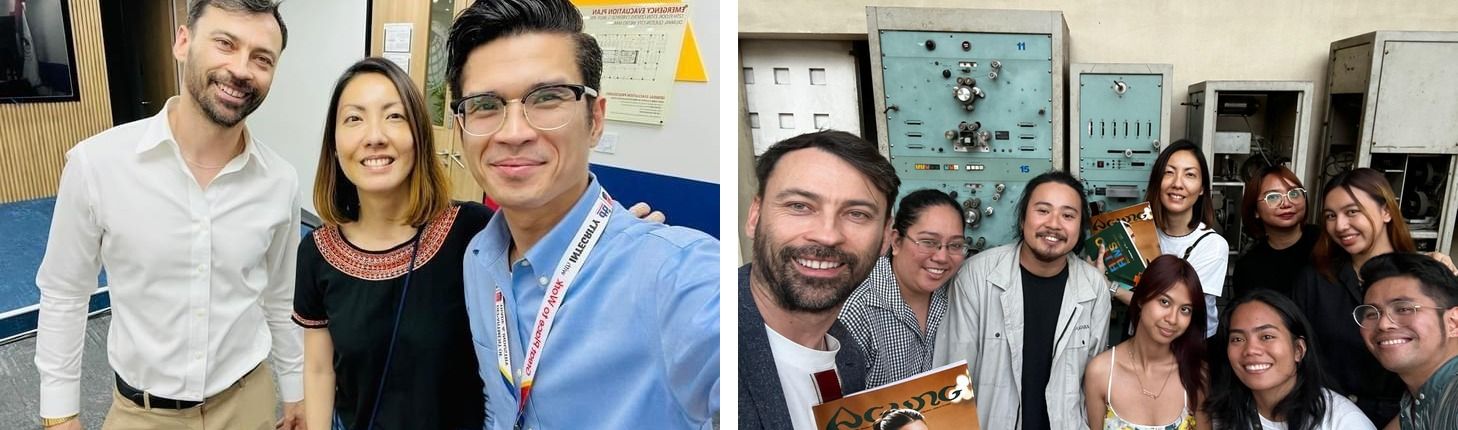
I co-designed and co-delivered the whole intervention with Brenda Matanga, one of Zimbabwe’s leading IP lawyers. The pairing did the same quiet work my local partnerships always do. Her knowledge of the legal terrain and the sector’s trust opened conversations no visiting consultant could start, and it meant the expertise stays in Harare now the contract has ended.
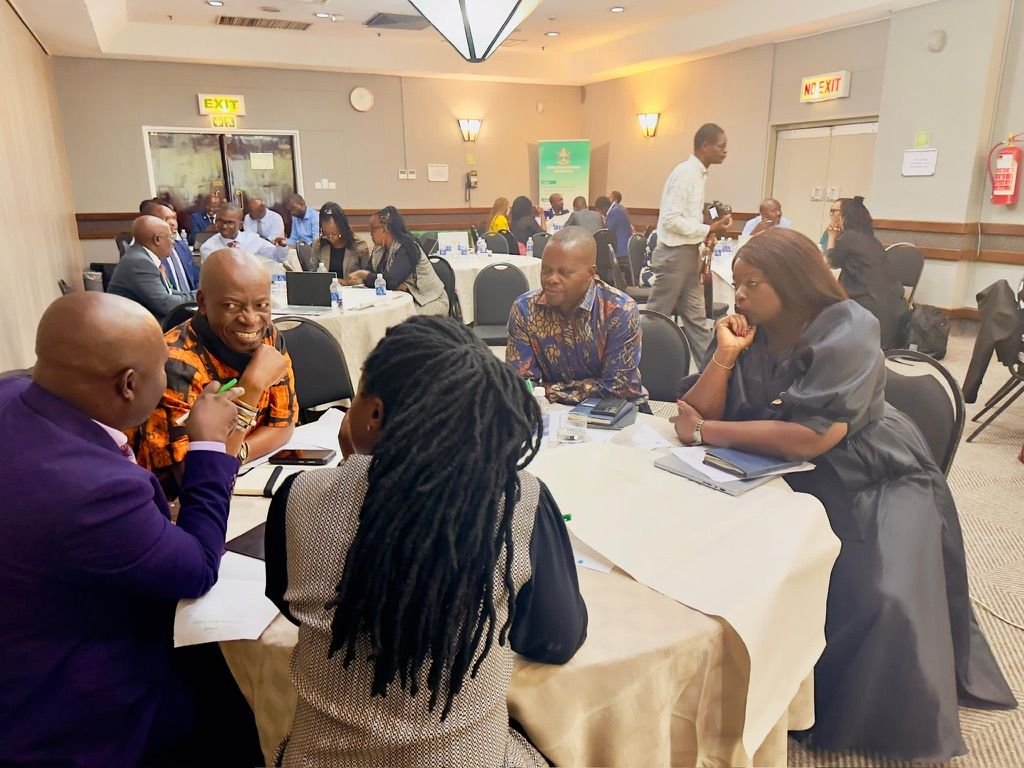
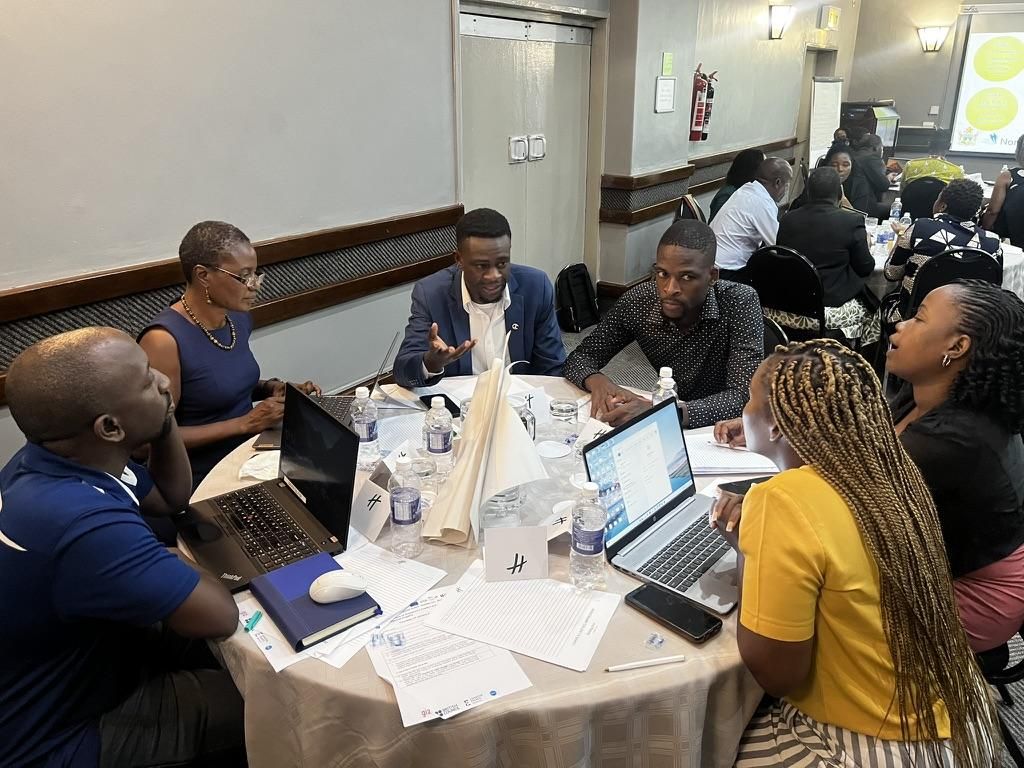
The evidence came from wherever the sector actually was. Three roundtables took policymakers and practitioners through the same questions. A survey drew 55 responses from policy and institutional stakeholders. Key informant interviews covered the IP Office and enforcement agencies. And when traditional methods reached their limit, we polled a 65-member sector WhatsApp group. It wasn’t sophisticated, but it met busy creatives where they already talk, and they told us things no formal survey would have caught. In November, an informal discussion with arts officials from Bulawayo, Manicaland and Mashonaland Central put the challenges facing women and youth in rural Zimbabwe squarely into the evidence base.
The result was a connected set of tools rather than a report. There was an evidence report naming the state of IP and the creative industries, and a policy brief making the case for reviewing the Copyright Act in line with Zimbabwe’s 2013 Constitution. There was an anti-piracy strategy built on three goals of data-driven policy, IP education and enforcement people can trust, and an action plan with owners, timelines and responsibilities. Gender ran through all of it, not as an annex. The research measured the specific barriers facing women creatives, and the strategy answered them.
A creative economy where nobody can own anything cannot grow. Ownership is the infrastructure.
The room where it landed
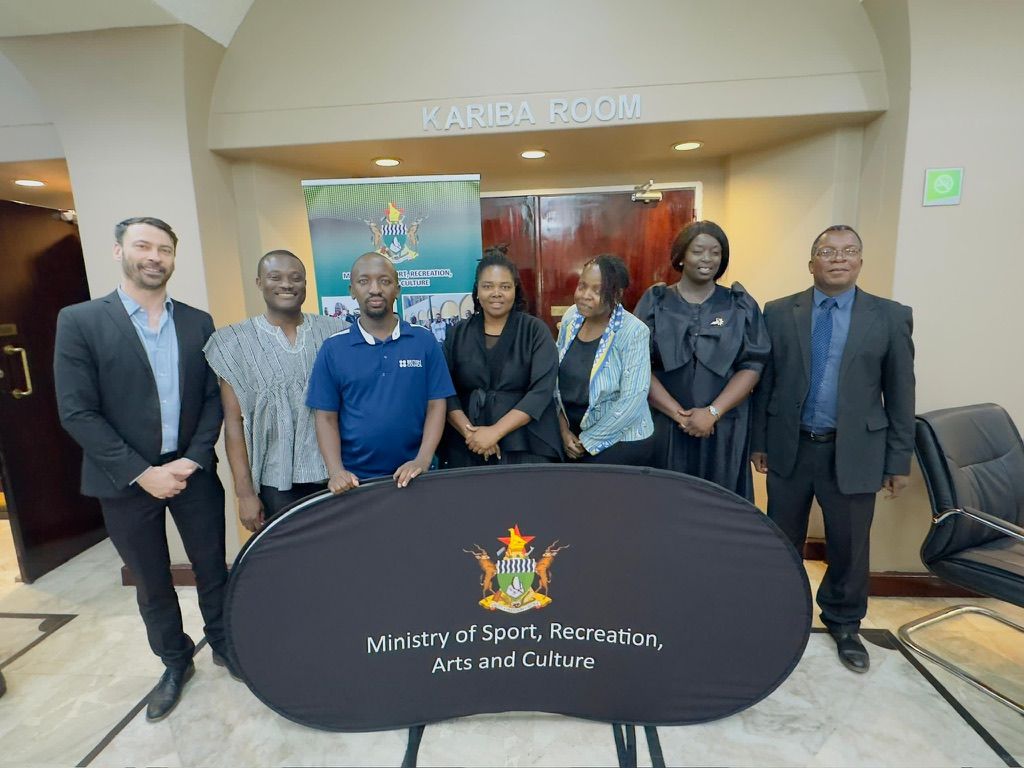
The launch event in Harare put sixty to seventy people in one room for a full day, with creators, industry bodies, government agencies and multiple Members of Parliament debating the strategy with the people it protects. In the follow-up survey, every respondent reported a better understanding of IP frameworks, and nine in ten said they felt better equipped to advocate for the sector’s IP rights. The Ministry reported greater capacity to build an inclusive, gender-conducive environment for the creative industries, the outcome the whole intervention was funded to move.
Piracy in Zimbabwe won’t stop because a strategy exists. It stops when the Copyright Act catches up, when enforcement earns enough trust to be worth calling, and when a musician knows what her rights are worth before she signs them away. The strategy, brief and action plan now sitting with the ministry put a Zimbabwean name and a date against every step of that. Whether it happens is a question about political will, not about evidence. The evidence is finished.