Iraq gave the world writing, the city, and four centuries of Baghdad as a creative capital. Films were being made, orchestras were touring, designers were dressing the national football team, yet officially none of it existed.
That was the assignment. After four decades of conflict, Iraq was moving from humanitarian emergency to what the development world calls durable solutions, meaning livelihoods, diversification away from oil and a young population that had doubled in twenty years and wanted to build things. The British Council commissioned the first national mapping and sector strategy for Iraq’s cultural and creative industries, and asked me to lead it.
The problem wasn’t a shortage of creativity. It was that nobody had ever counted it, connected it, or written it down, and you cannot make policy, or investment, for a sector that exists only as anecdote.
By Iraqis, for Iraqis
The first decision shaped everything after it. This would not be a study of Iraqis. It would be a study by them. I co-designed and co-delivered the whole programme with BeCorp, an Iraqi creative agency, on the principle that Iraqis should tell their own story and shape their own narrative, one that had been out of their hands for generations.
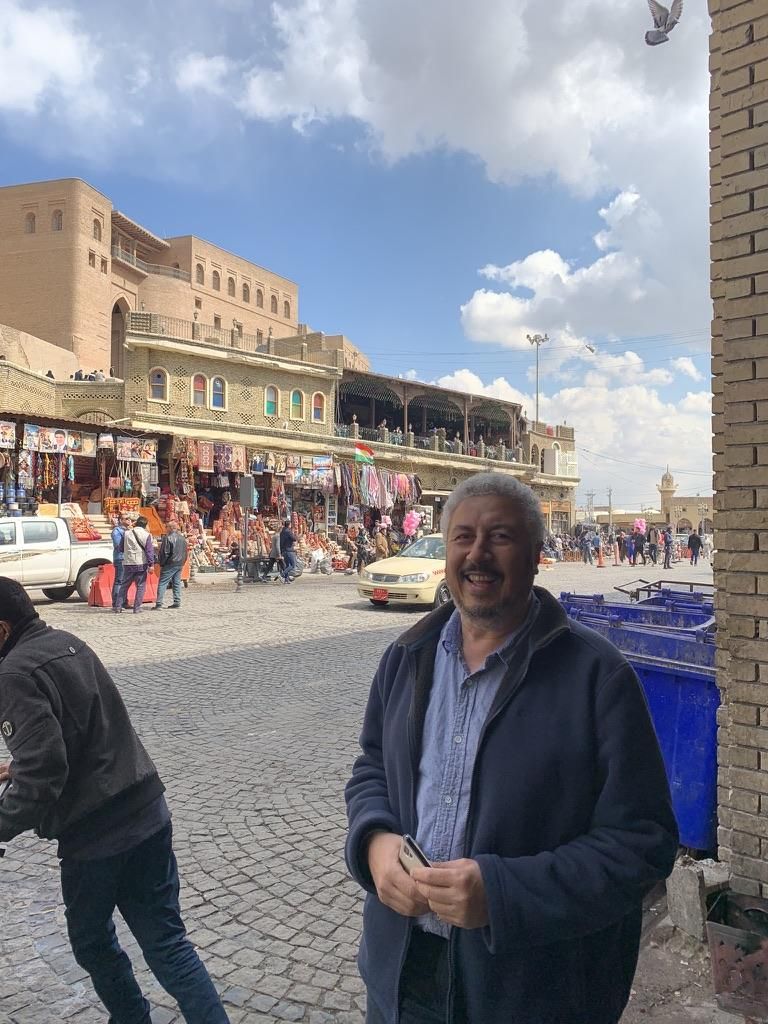
In practice that meant a year of consultations with more than 600 Iraqi creatives from over ten cities, in Arabic, Sorani Kurdish, Kurmanji Kurdish and English, sometimes all four in the same room. We ran roadshows across the Kurdistan Region, held sessions in Baghdad, and flew participants in from Basra and Mosul so no part of the country spoke through intermediaries. We met people in cultural venues, workshops and cafés, morning and night, formally and informally. Security shaped every plan, but it stopped none of them.
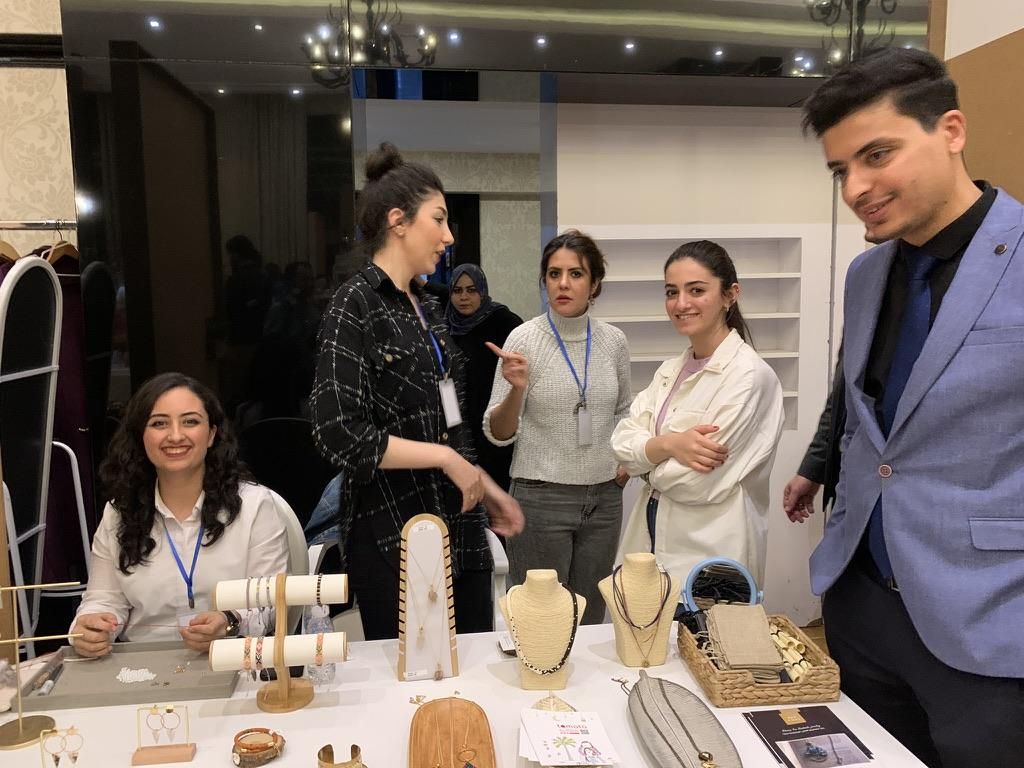
The consultations were built to give as much as they took. Every session doubled as capacity building, with workshops, roundtables and seminars, and participants were invited to bring their work, from instruments and films to paintings and performances. People came to be consulted and stayed to perform. That is when a research process stops being extraction and starts being a sector talking to itself, often for the first time.
The major intergenerational gap is to the detriment of not only the creative economy, but the country as a whole.
Alongside the fieldwork sat a national survey, with 600 responses to more than 70 questions in three languages, and a literature review of over 40 sources. The fieldwork alone produced more than 400 pages of reporting, distilled into a full strategy and an abridged national profile that a minister could read on a flight.
What the map showed
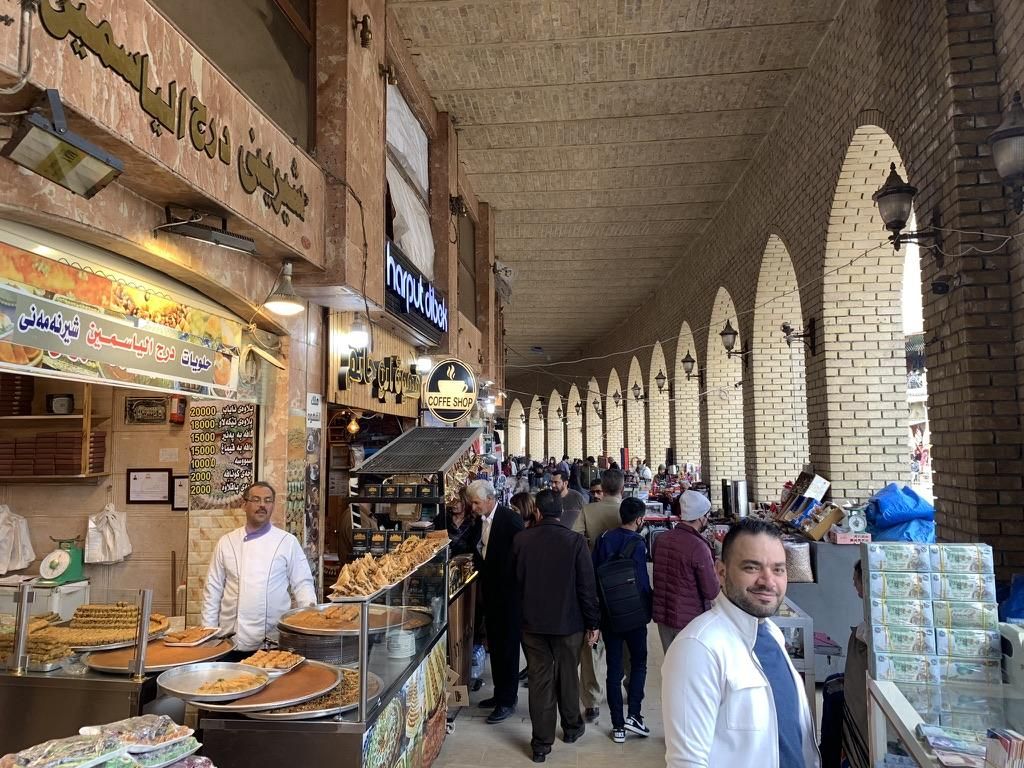
The findings overturned the story Iraq is usually told about itself. In Mosul, a city that had been crippled under Daesh occupation, people were rebuilding through culture before the rubble was cleared, with new orchestras, restored venues, film and photography documenting what happened, and creative hubs opening in place of checkpoints. Across the country we profiled thirteen creative sectors and seven creative cities, from Baghdad’s film industry to the souqs of Erbil and the digital studios producing work watched on Netflix worldwide.
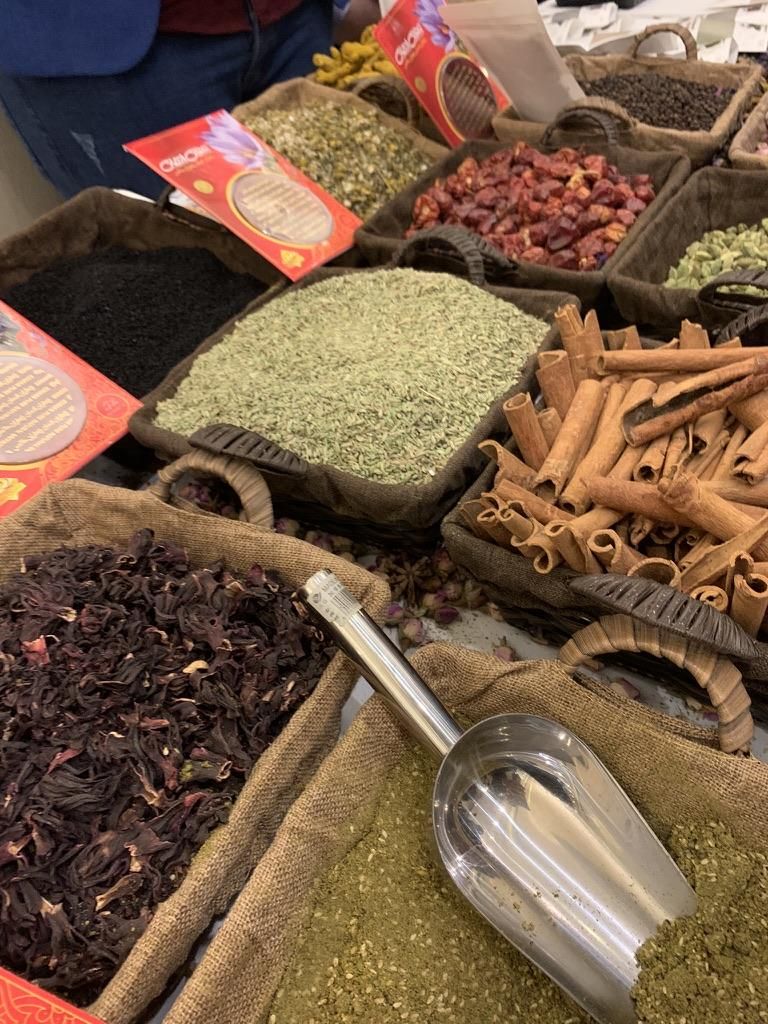
What surprised me most was the openness, the global connectedness and the depth of cultural pride driving it all. Iraq’s creative sector turned out to be more dynamic, more innovative and more international than anything in the development literature suggested. The diversity often described as Iraq’s fault line (Arab, Kurdish, Assyrian, Turkmen, Yazidi and more) is, in its creative economy, the engine.
What changed
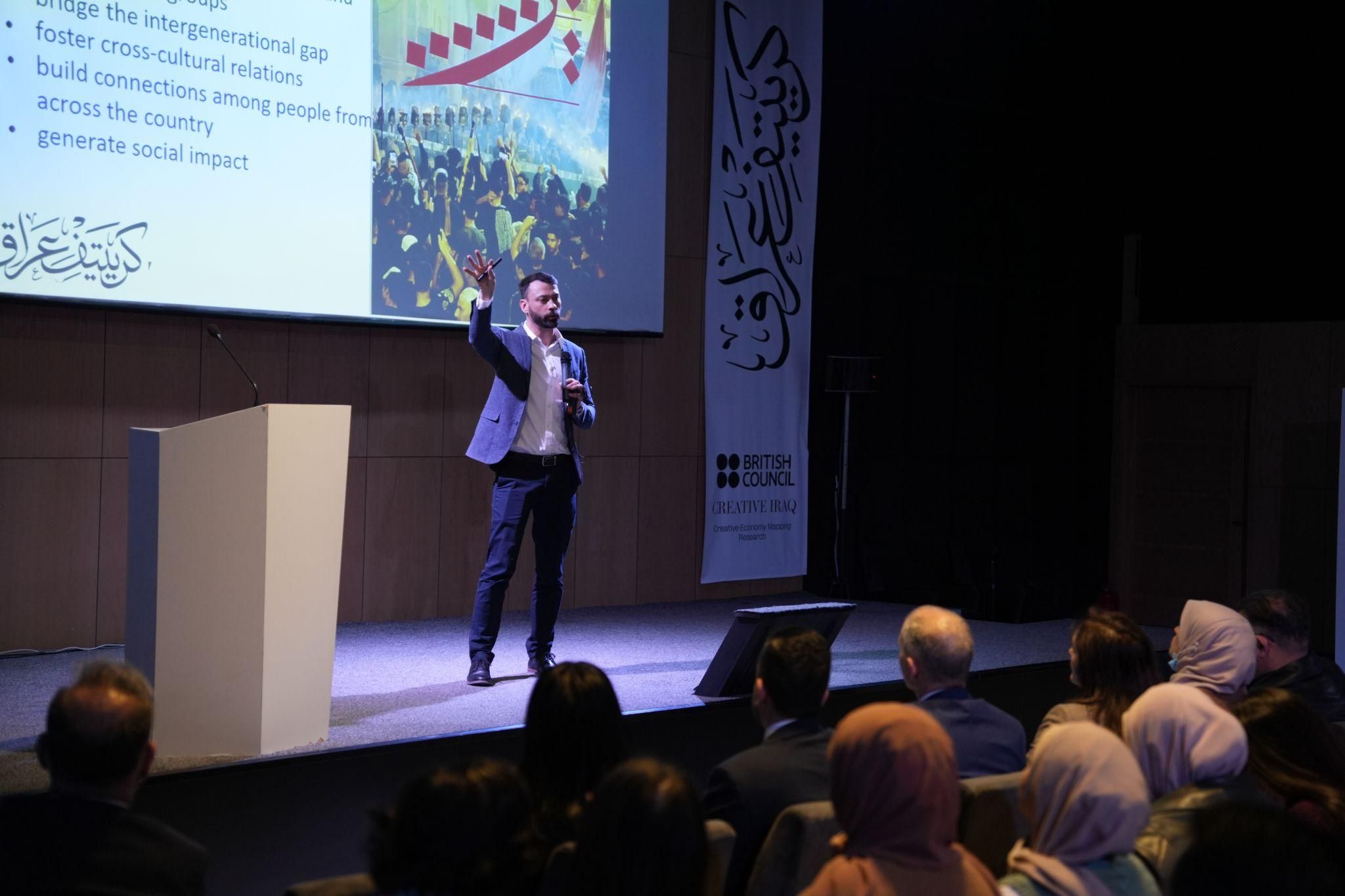
The strategy gave the British Council and its partners the evidence to design programmes and investments for Iraq’s next development phase, with political buy-in from the public sector, private sector engagement, and Iraqi entrepreneurs taking their work to markets at Cannes, London and in the United States. A sector that had never been mapped now had a definition, a baseline, a strategy and a seat at the table where development money is allocated.
Iraq now has its entry in the ledger of the world’s creative economies. But the number I keep returning to isn’t in the report. It’s the six hundred people who wrote it with us, who came to be consulted and stayed to perform. I started that project with only questions. The people who had the answers now have the map.