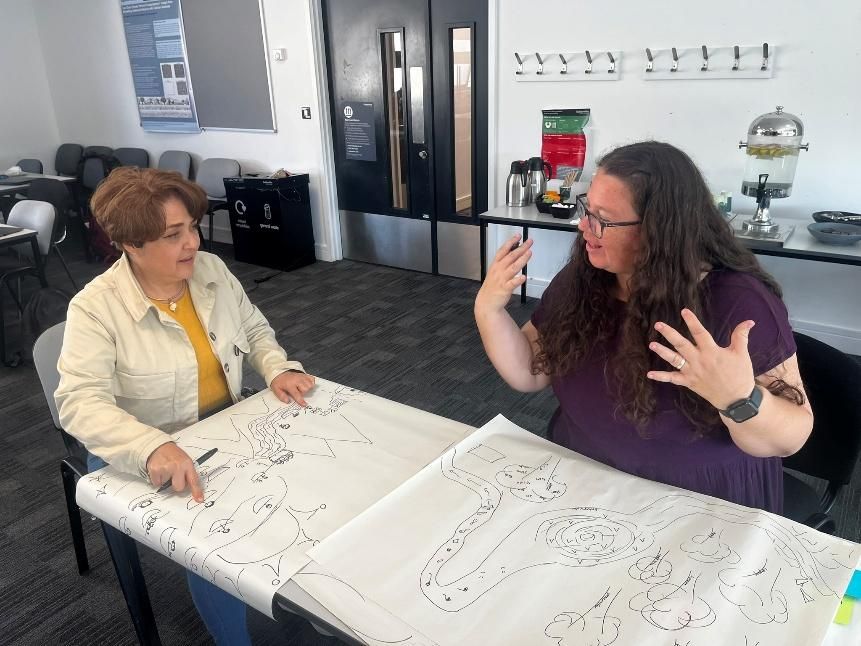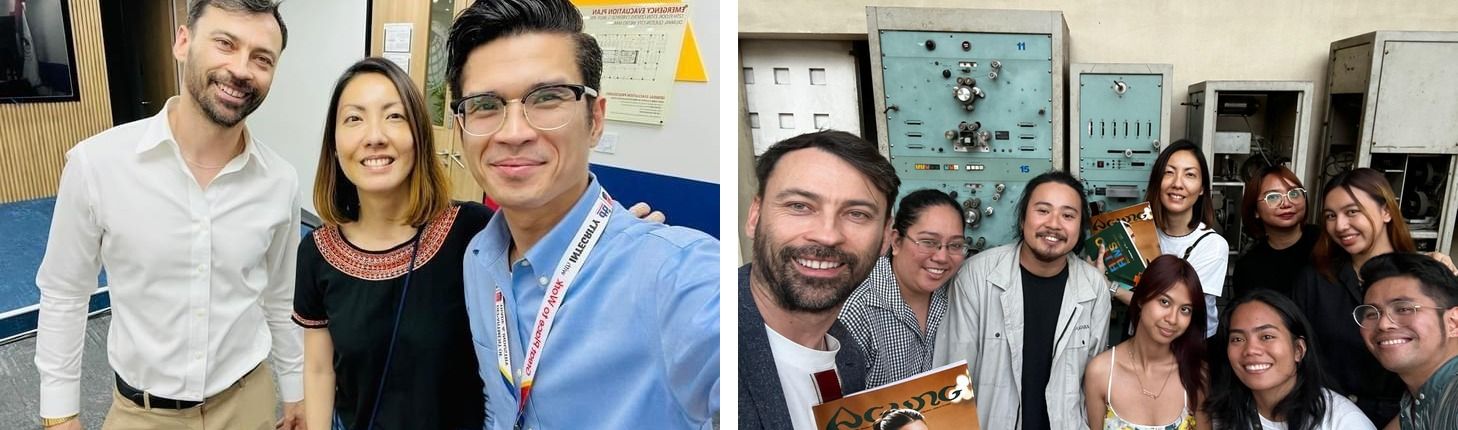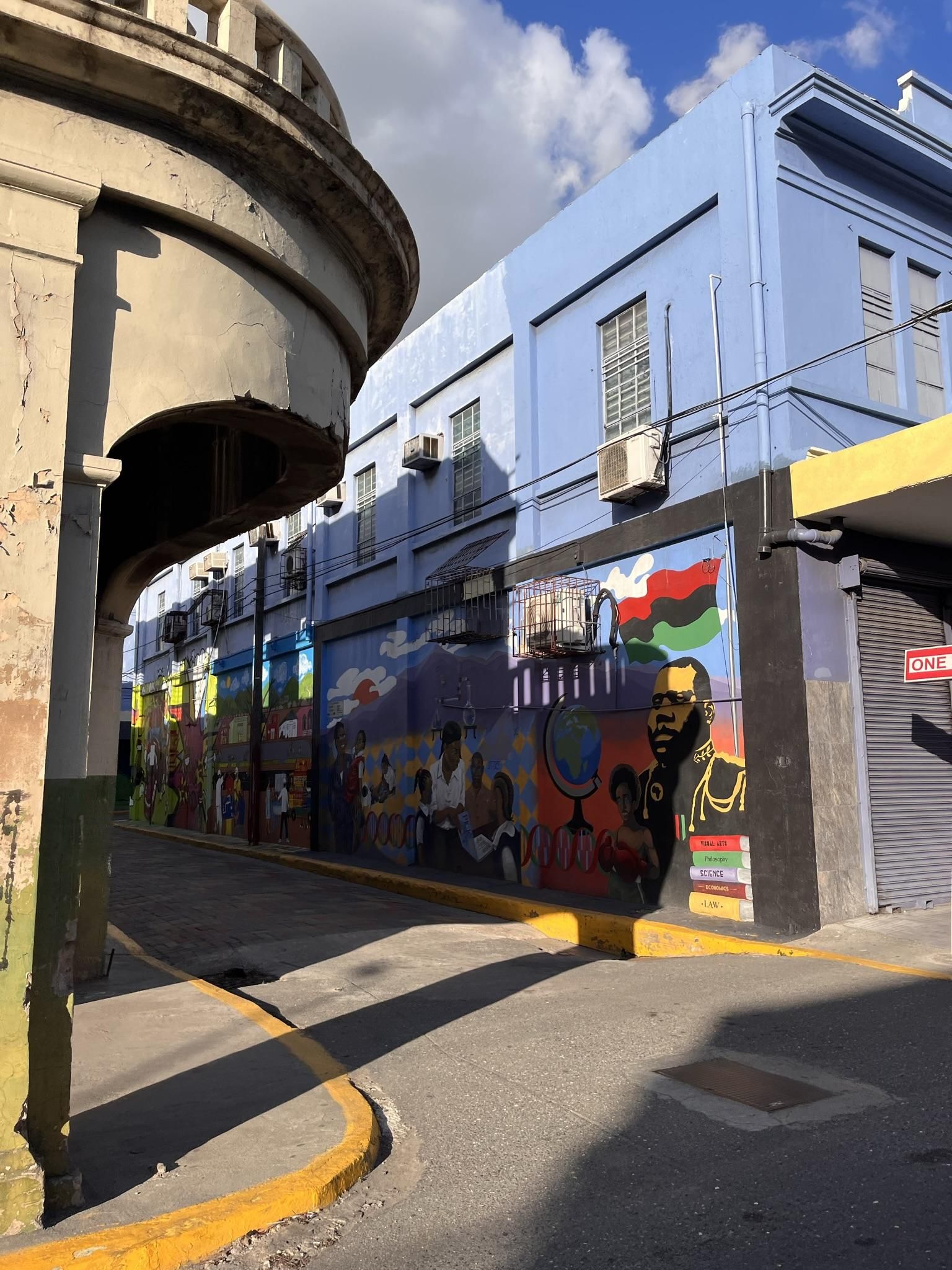
Few countries export more culture per head of population than Jamaica. Reggae is inscribed on UNESCO’s list of humanity’s intangible heritage. The island’s music, food, fashion and film shape how billions of people move, dress and speak. Yet when Jamaica’s own institutions went looking for the creative industries in the national accounts, they found only fragments, a line here and an estimate there, and nothing a minister could plan with or an investor could price.
That gap had consequences. Without credible numbers, the sector couldn’t argue for budget, couldn’t attract structured investment, and couldn’t show young Jamaicans that a creative career was an economic fact rather than an act of faith. In 2022, the Jamaica Business Development Corporation and the UNESCO Cluster Office for the Caribbean commissioned me to lead the second phase of work I’d begun with Jamaica’s creative sector in 2020, moving from mapping the industries to measuring them.
Six ways to count an economy
The honest starting point was that no single method would work. Jamaica’s creative economy is largely informal, its statistics are stretched thin, and international templates assume data infrastructure that a small island developing state doesn’t always have. So instead of forcing one imported model, we piloted six measurement methods side by side and let the evidence say which earned its keep.
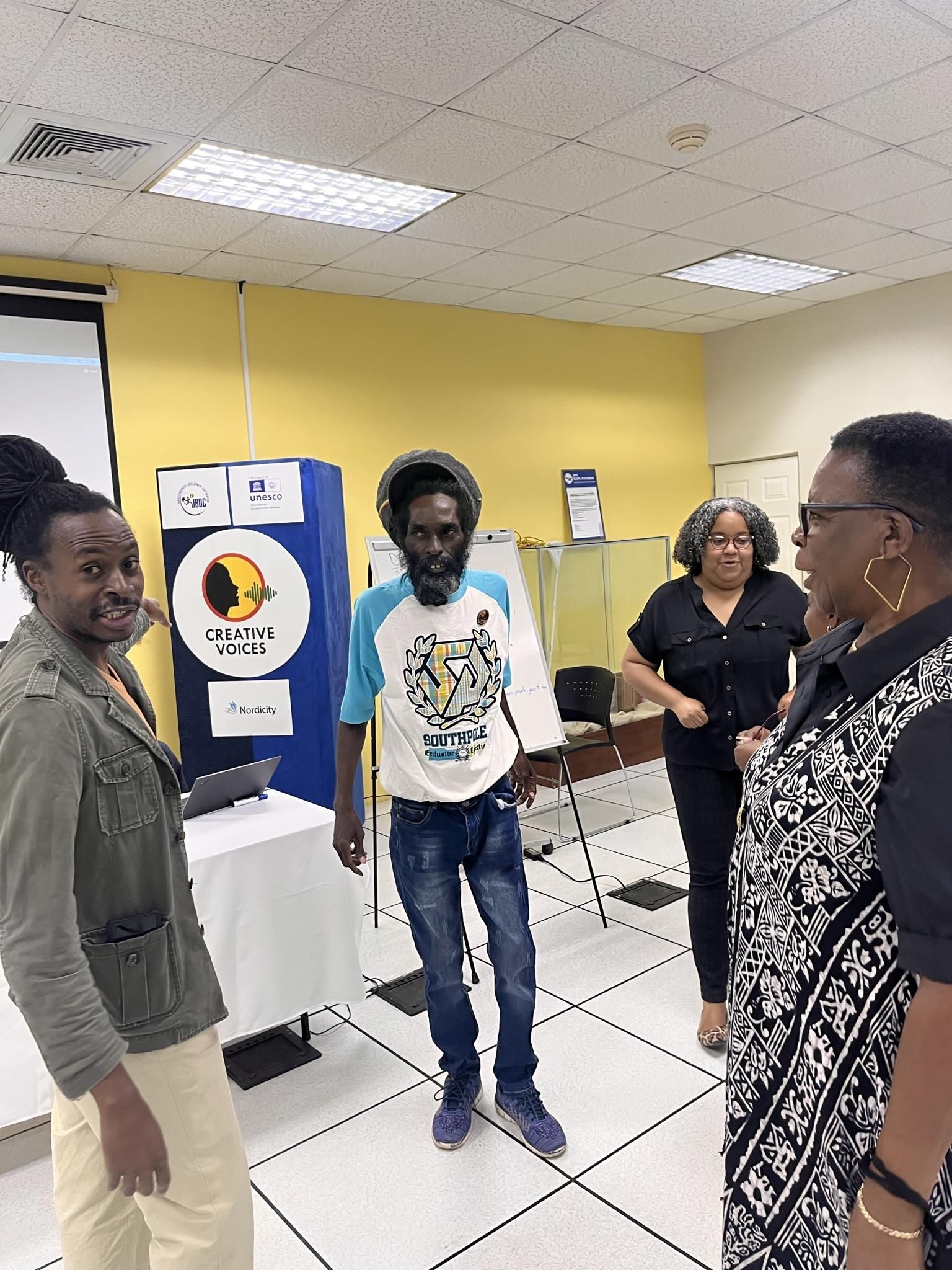
We worked the national statistical system with STATIN, adapting the UK’s DCMS creative-intensities model to Jamaican industrial classifications. We took estimates from more than fifty industry representatives. We built a sector map through snowball sampling, ran a practitioner survey that drew 316 responses with over fifty data points each, bought in third-party market research, and compiled indicators from every credible secondary source. Some methods delivered, while others hit the limits of the data honestly, and saying so in print matters, because the next person to measure this sector shouldn’t have to rediscover the dead ends.
Stacked together, the strands produced something Jamaica had never had. There was now a foundational database of the sector, 3,197 stakeholder touchpoints across eight sources of data, and a measurement framework designed to be updated annually by Jamaicans, not by whoever’s consultant happens to be on the island.
The number everyone wants is a headline. What Jamaica needed was a method it could run itself, every year, without a foreign consultant attached.
More than a number
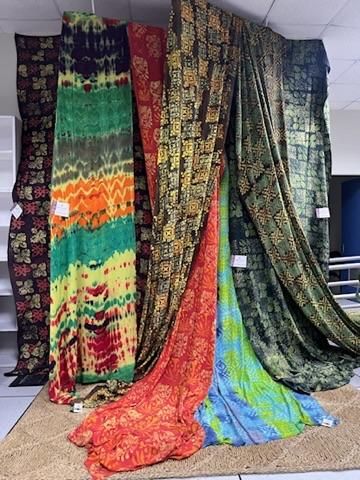
The commission was wider than measurement, because impact is wider than GDP. We profiled two sectors in depth, fashion and museums, and traced how the creative industries drive tourism, exports, innovation and the soft power the world files under Brand Jamaica.
We assessed the sector’s contribution to the Sustainable Development Goals, including gender equality, decent work, reduced inequalities and sustainable cities, and turned that into recommendations with named owners rather than good intentions. A 2024 SWOT analysis gave the sector a current picture of itself, and a governance and sustainability strategy addressed the harder question underneath all of it, which is who coordinates a sector whose mandate is scattered across ministries, agencies and associations that don’t always talk.
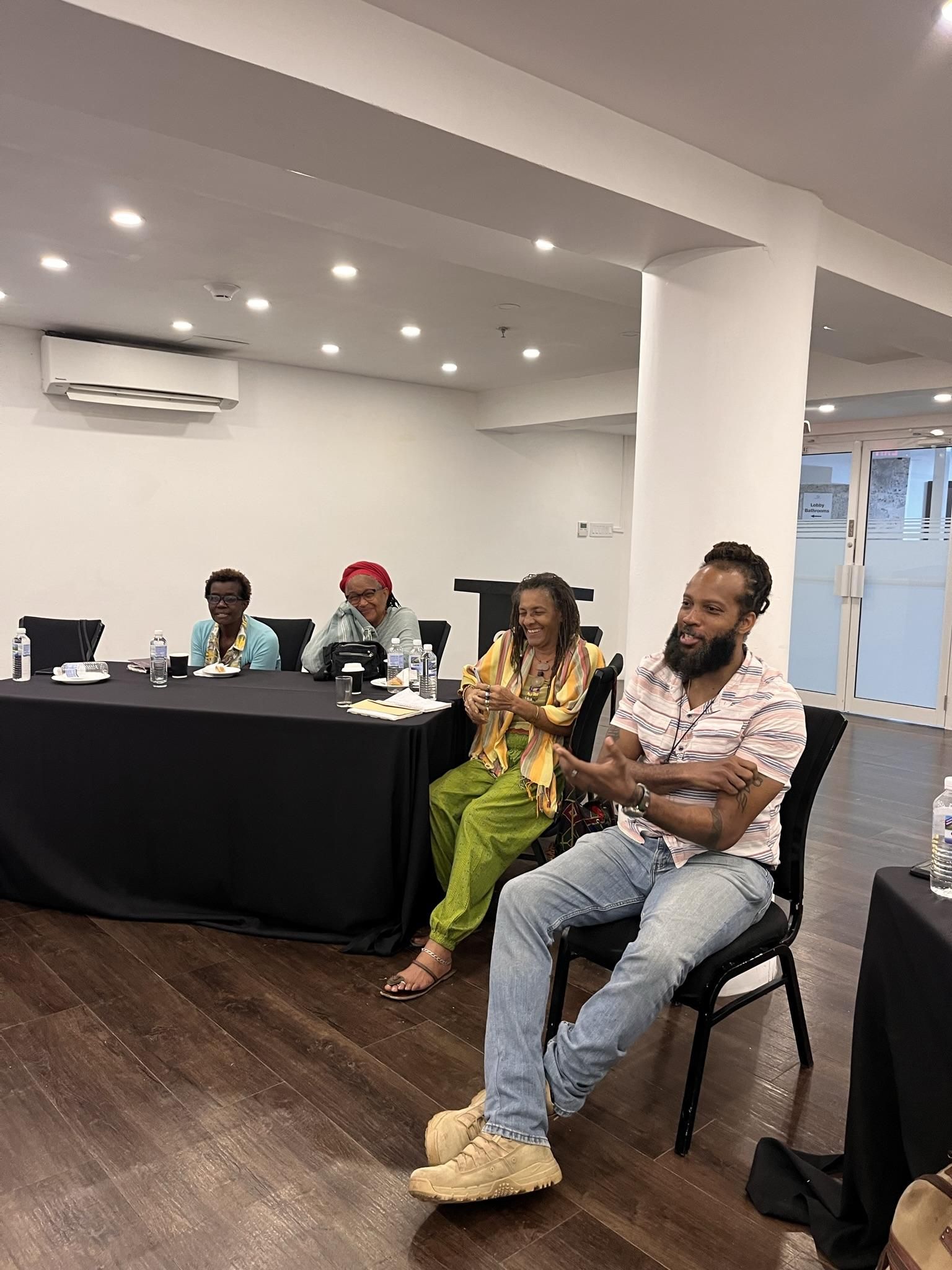
Every strategic recommendation was co-developed with an Advisory Committee spanning practitioners, industry bodies, government and academia. Jamaica’s creative sector runs on consultation fatigue. People have answered questionnaires for years and watched the reports gather dust. The way through isn’t another survey. It’s ownership, through methods practitioners helped design, findings they saw before publication, and a framework whose annual update doesn’t depend on anyone’s goodwill but theirs.
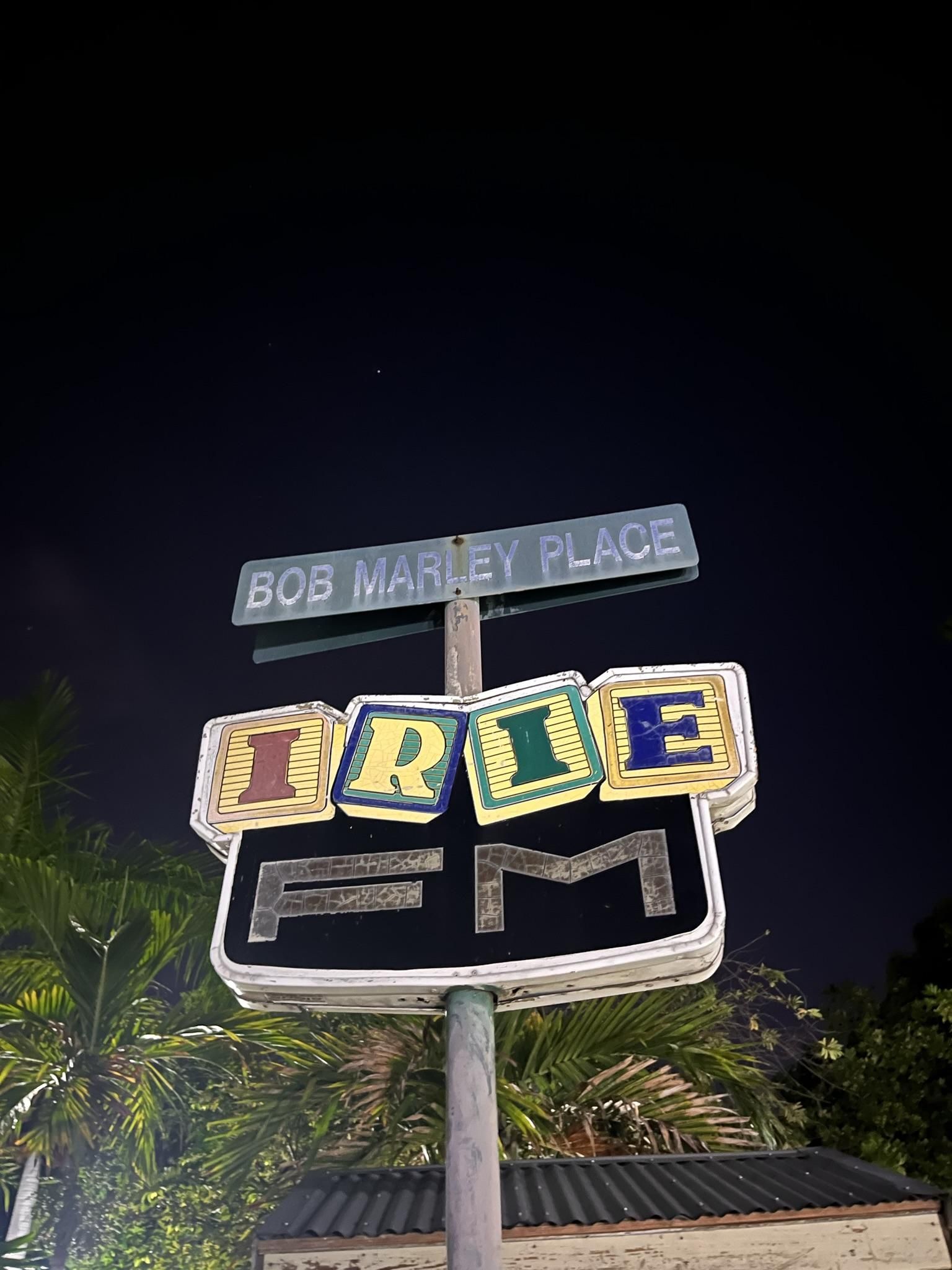
The conclusions backed continued investment in the creative industries as a profitable umbrella sector, and the framework now gives that case a spine of evidence. Jamaica’s culture never needed a consultant to prove its worth. The world settled that long ago. What it needed was the machinery to claim that worth in budgets, policy and investment. It has it now, and it can run the machinery itself. That was the point.