There is a moment near the end of most evaluations when the report lands and the people it describes go quiet. They flick through the charts, find the quote they gave six months ago shaved down to a fragment, and conclude, politely, that this document was never really about them. The funder gets its accountability. The participants get a PDF.
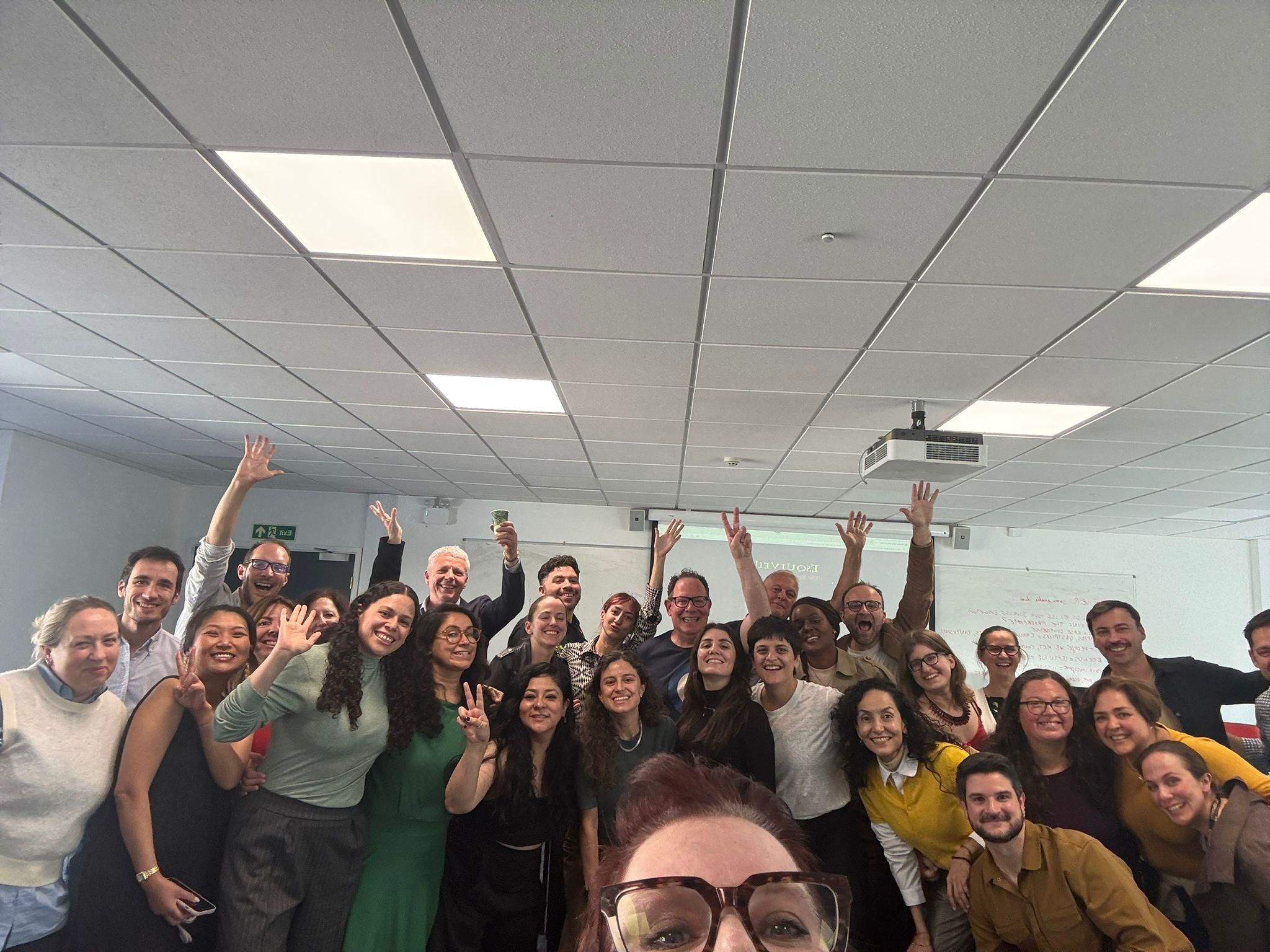
I’ve read too many of those reports to want my name on one. So when the British Council asked me to evaluate the sixth edition of its Creative Leadership Programme, with ten Mexican cultural leaders, five online workshops and a week’s residency at Goldsmiths in London, I designed the evaluation the way the programme itself was designed, creatively and around the people in it.
Evidence in whatever language people actually speak
The framework underneath was orthodox, deliberately. A logic model, baseline and endline surveys, a survey after every workshop, interviews, structured observation. Every participant completed every wave, a 100 per cent response rate an evaluator rarely sees, and the first sign the method was working.
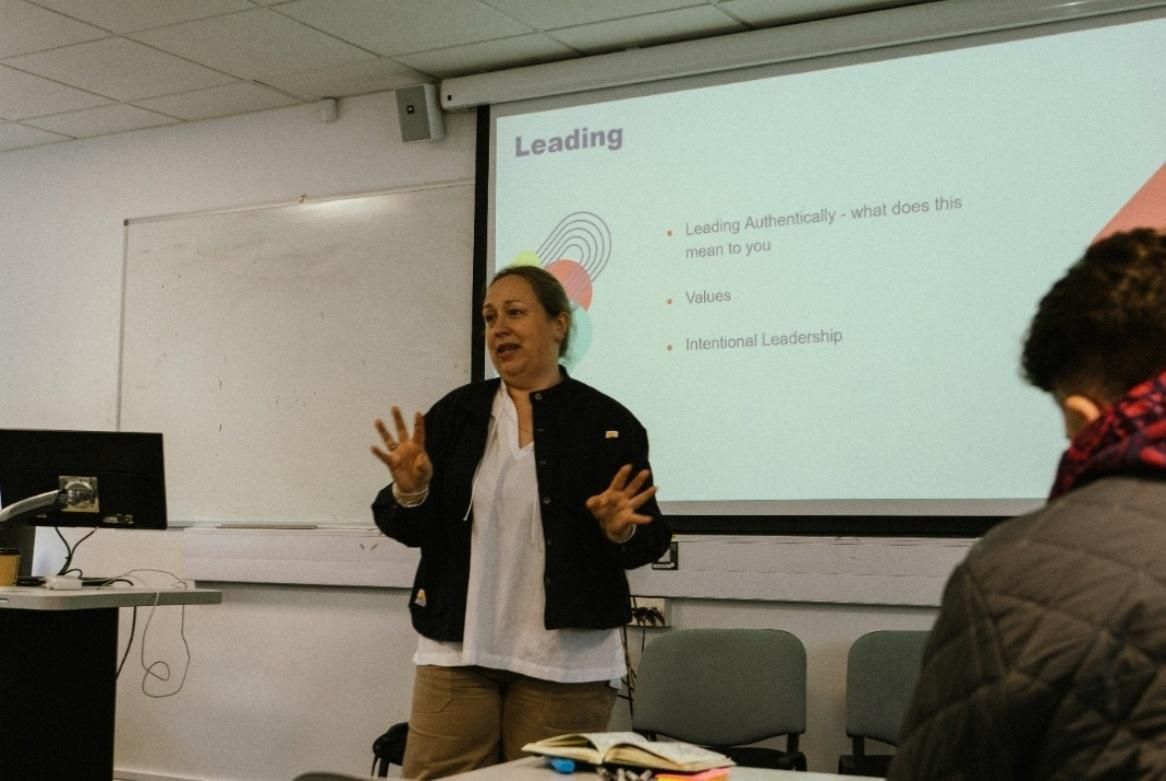
But surveys only collect what people can type into a box. Cultural leaders think in other registers, so the evaluation opened other doors. On the first residency day, participants drew Leadership Trees, with roots, trunk and branches showing who they were arriving as. On the last, they drew Rivers of Learning, showing the journey of the week with its rapids and still water. In between sat check-ins, group discussions and a standing invitation to respond in whatever form was most true, whether written, spoken, drawn or performed. One participant made a short film to articulate what the programme had changed for them. That film told me more about outcomes than any Likert scale in the report.
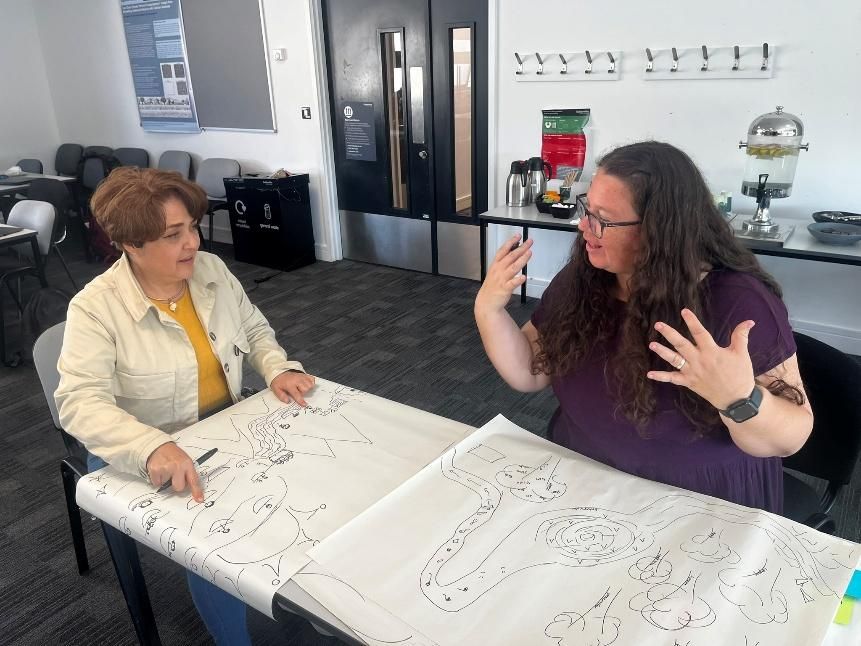
Participants stopped being data sources and became co-authors of the evidence about their own change.
The craft is in what happens next. All of it, from drawings and films to transcripts and forty workshop surveys, was coded and analysed with the same rigour as the quantitative data. Creative methods without analysis are decoration. Analysis without creative methods misses most of what actually changed.
What the funder got
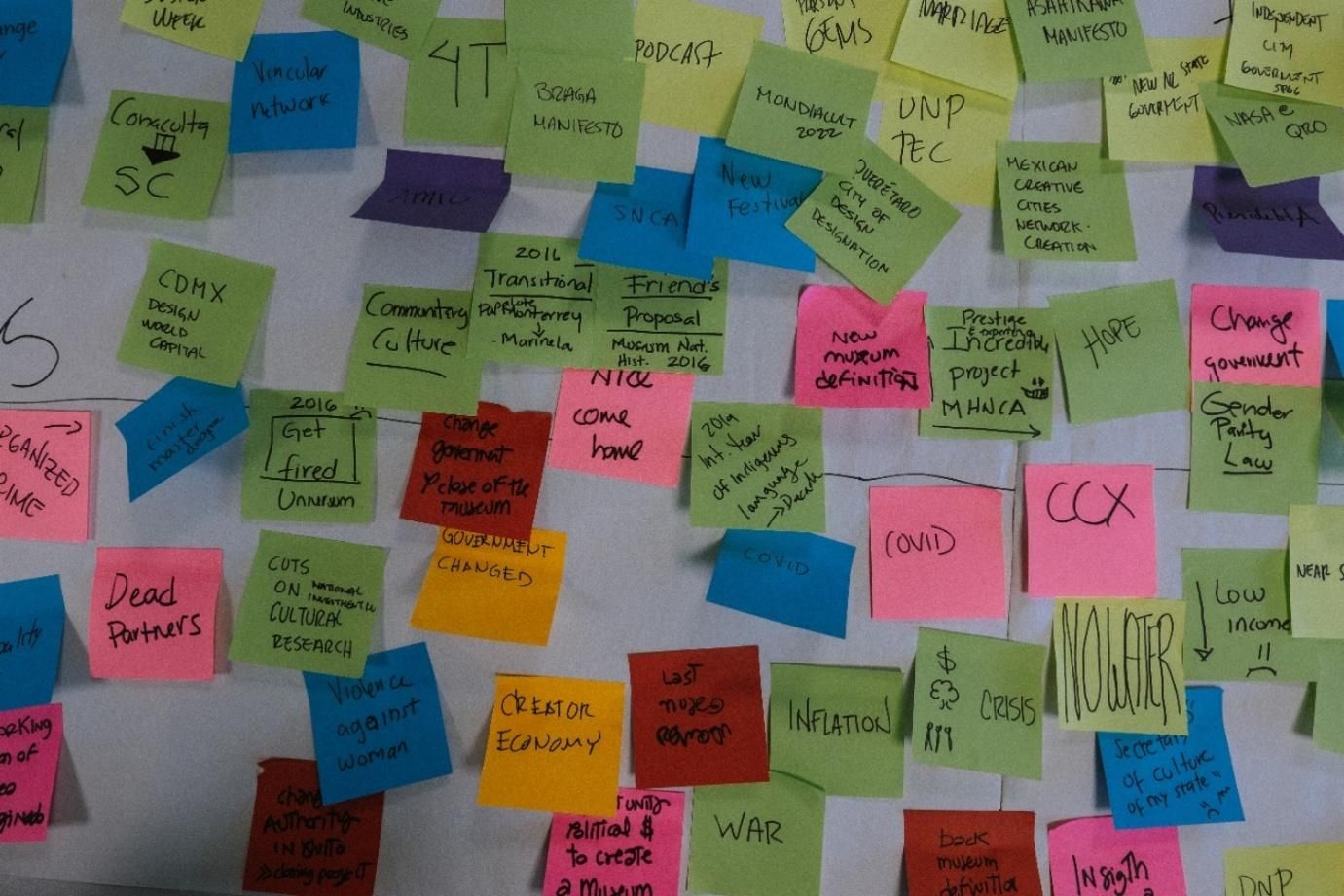
Accountability, in full. The final report delivered participant profiles and a skills baseline, a process evaluation spanning application to post-programme, a participant journey map, intended and unintended outcomes, and a value-for-money assessment across the four Es of economy, efficiency, effectiveness and equity, with a year-by-year comparison across all six editions of the programme. It also covered the part evaluations usually skip, a handover report with the materials, contacts and legacy documentation for whoever runs edition seven, so the learning institutionalises instead of evaporating.
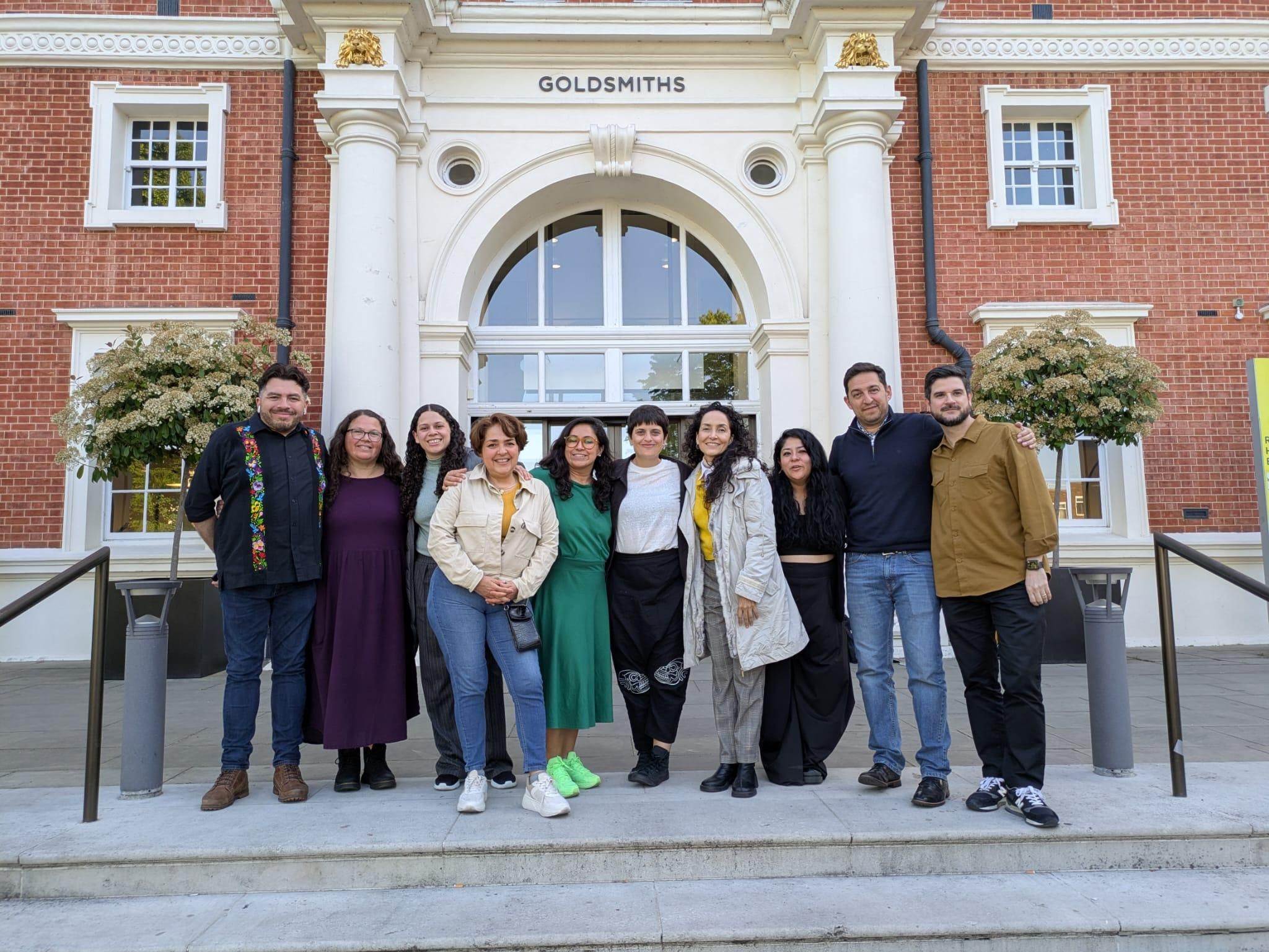
“Your team’s dedication, expertise, and collaborative spirit have been instrumental in making the programme such a success,” wrote Isabel Gil of the British Council Mexico when it closed. The participants put it less formally. One simply thanked me for the bonding on the cohort’s free night, which I’d quietly engineered into the schedule. Both are evaluation data, if you know how to read them.
The report answered every question the funder is accountable for, and the people inside it recognised their own story on its pages. That double test, rigour the commissioner can bank and truth the participants can vouch for, is what evaluation is for. Anything less is paperwork.