Uganda’s last cultural policy was written in 2006. By the time I was brought in, it had been expired for longer than some of the artists it was meant to protect had been alive.
Nineteen years. In that gap, the sector it governed grew to employ 386,000 people, most of them young, many of them women. It also learned to work around the state entirely. Companies formed and folded inside five years. Musicians lost their rights because nobody could tell them how to hold onto them. There was no line in the policy for the internet, let alone AI. A 2022 draft existed, but it read like a document written for a country that no longer exists. It was thin on heritage, quiet on the creative industries themselves, and silent on the women locked out of funding and markets.
I was appointed Lead Expert to fix it. On paper that meant a gap analysis, an evidence base, international benchmarking, and a revised draft. The real problem was in the room, not the document.
The trust had already been spent
By the time I arrived, a lot of people in Uganda’s creative sector had watched policy processes come and go. They had been consulted before. They had filled in the forms and sat through the workshops and seen very little change. So the hardest thing I inherited wasn’t a blank page. It was a room full of people who had been asked their opinion before and had reason to believe it wouldn’t matter this time either.
You don’t fix that with a better report. You fix it by showing up, and by showing up in the right way.
We went to them
I flew into Uganda twice, and I built the whole approach around being in the country rather than reporting on it from London. The first mission came early, on purpose. Not to present findings, but to listen before I had any, to sit in people’s workspaces, watch how the work actually got made and sold, and let the sector see that this time the conversation started with them.
That choice did more than gather better data, though it did that too. Sitting in a studio or a workshop, you see the supply chain, the bottleneck, the thing nobody writes on a form. And the people you’re consulting stop being respondents and start being collaborators. The narrative stayed Ugandan, originated locally, owned locally. I’ve come to think of it as the difference between doing research on a place and doing it with one.
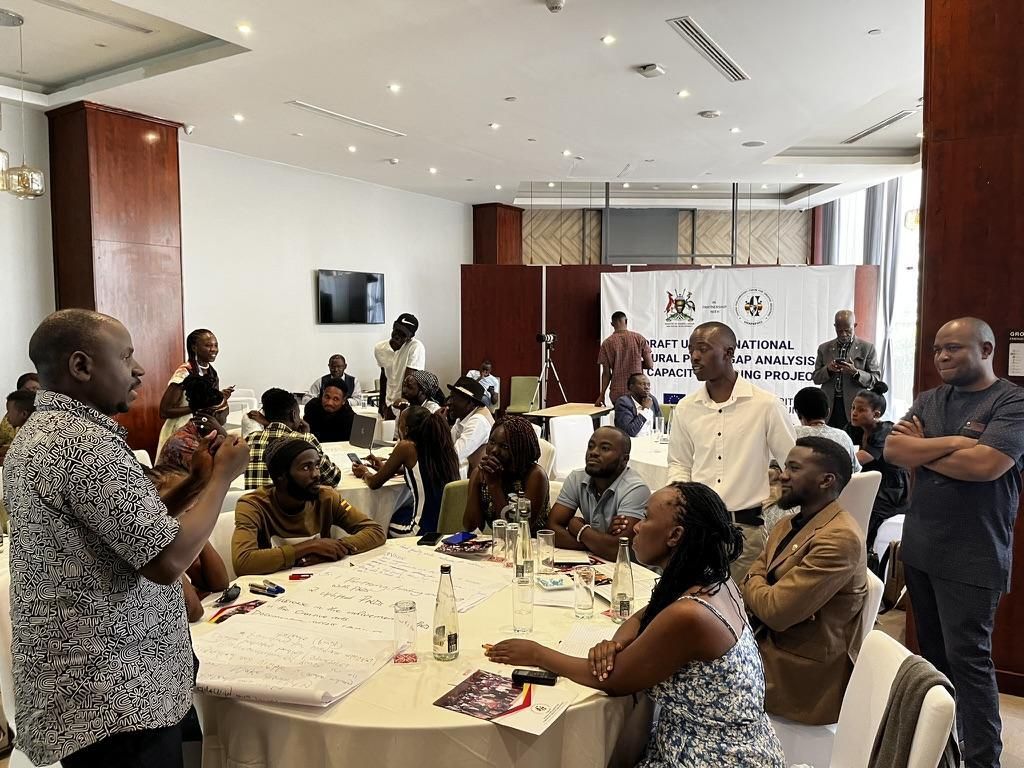
There was a moment, in one of the long day sessions that February, when I watched the room decide to believe again. An elderly man rose to speak. He was one of the most senior figures in Uganda’s cultural life, a leading voice across theatre, business and culture. The room went still. He spoke about culture as something that runs in the veins of every Ugandan. Not a sector out there to be regulated, but something the people in that room already carried, and had carried all along. Nobody moved. Nobody reached for a phone. When he sat down, the conversation had changed register. It stopped being a consultation about a document and became a room full of people talking about who they are. The cynicism I’d inherited wasn’t the whole story. The belief had been there the entire time, waiting for someone to speak to it.
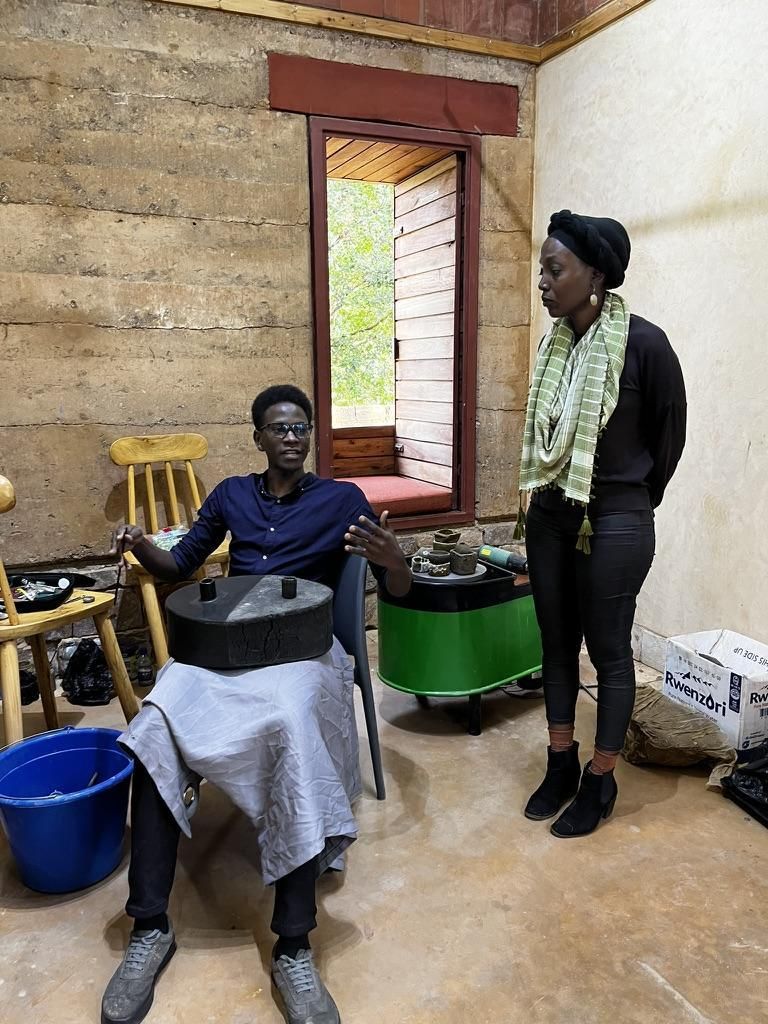
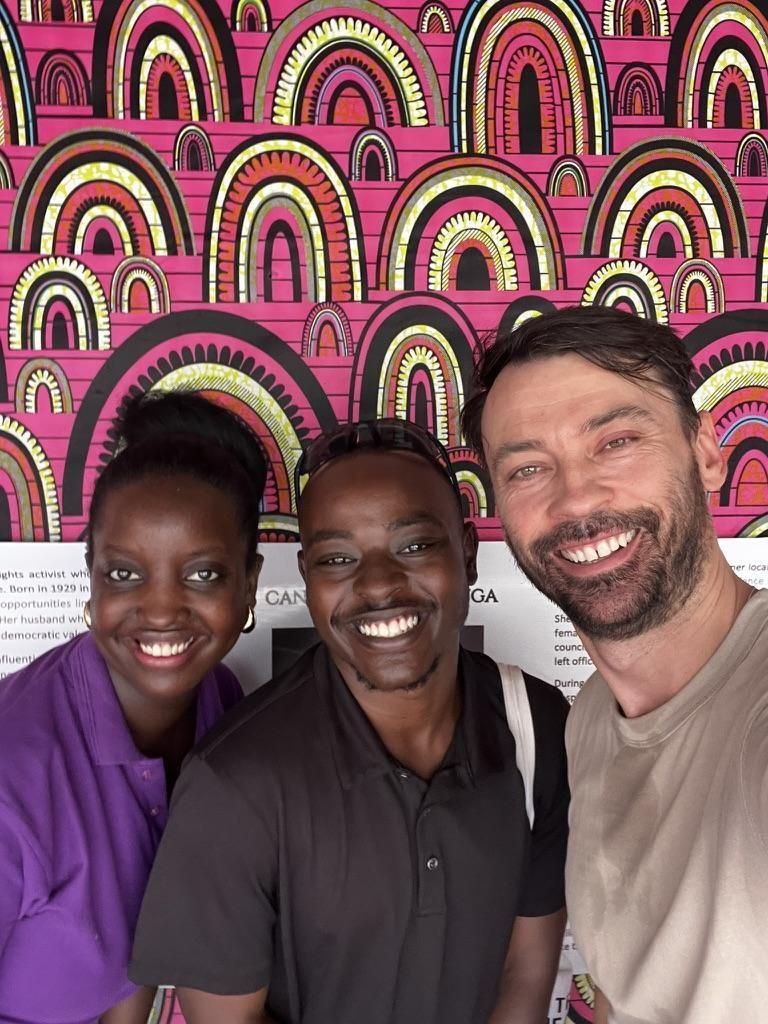
None of it would have worked without CDEA. My local partner, led by Ayeta Wangusa, did the field research and analysis, and knew who to ask and how. They opened doors I couldn’t, and they held trust with participants in a way no visiting consultant can manufacture. The model, a UK lead paired with a local consultancy and backed by the ICR Facility’s team running things out of Ghana, turned out to be the quiet engine of the whole project. When Kobina Bosomtwe from the Ghana team and Commissioner Juliana Akoryo at the Ministry of Gender found common ground, a channel opened that outlasted any single meeting. Regular calls. Small gestures. A blockage that would have stalled the policy simply cleared. South to South, it moved differently than London to Kampala ever could.
What we actually built
Between August 2024 and April 2025, the work stacked up. There was a technical review that named what the draft was missing, an evidence report drawing on primary and secondary research, an international comparator study reading gender-transformative cultural policy from across Sub-Saharan Africa, a policy brief, a sustainability strategy, and a revised draft that pulled all of it together.
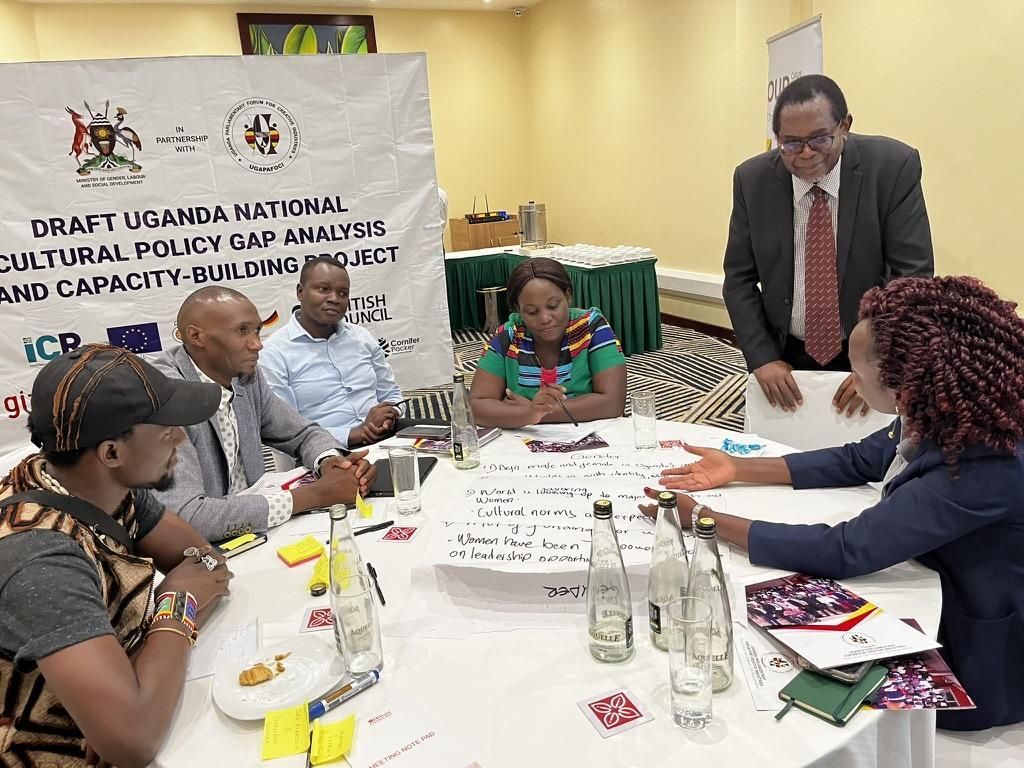
And there were four days of capacity building with more than 350 people, with practitioners, institutions and policymakers in the same rooms. That last part matters more than it sounds. The feedback that came back wasn’t about the slides. People said they’d left feeling heard. One participant told us they’d watched how the sessions were run and planned to use the technique in their own work. That’s the tell. When your audience starts stealing your method, the knowledge has actually transferred.
When your audience starts stealing your method, the knowledge has actually transferred.
The revised policy widened to cover what the 2006 version couldn’t imagine, including intellectual property people could actually hold, a place for technology and AI, and real provisions for women, youth, rural communities and people with disabilities. Not as a paragraph of good intentions. As the spine of the thing.
What changed
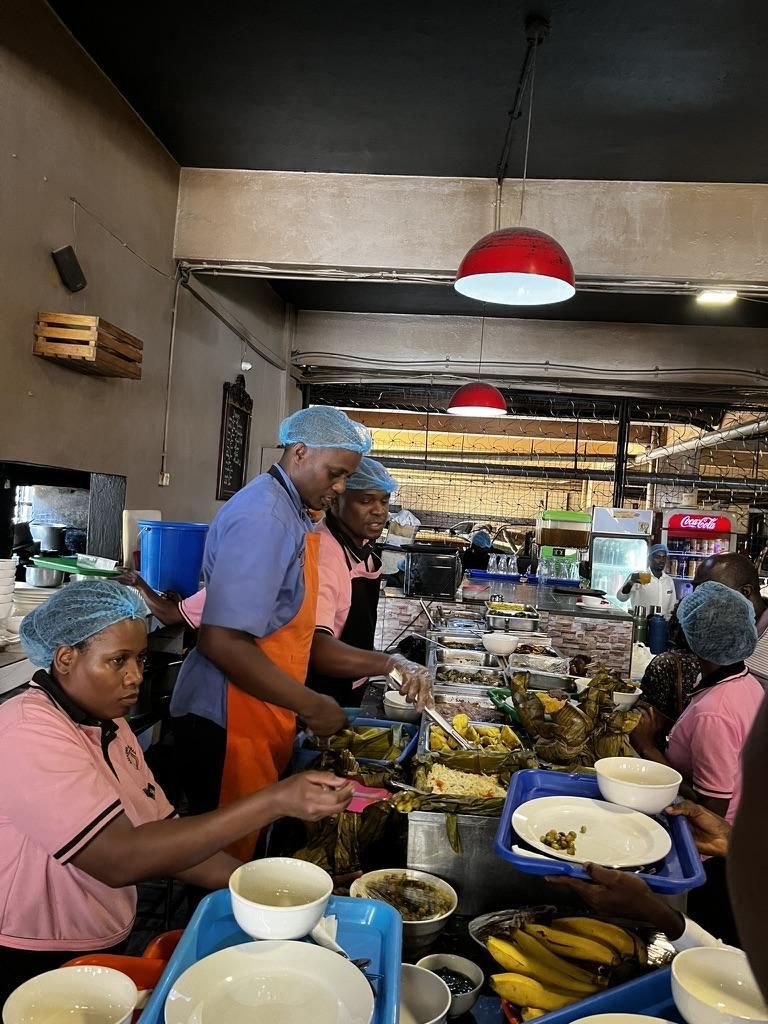
The Ministry of Gender approved and adopted the recommendations, and the revised policy moved from a document people had stopped believing in to one a formerly cynical sector felt some ownership over. At the launch, the EU Ambassador to Uganda, Jan Sadek, gave the keynote. By spring, the national press was reporting the State Minister’s announcement that the new National Cultural Policy would go to Cabinet for approval, a sentence Uganda had waited nineteen years to read.
Then the queue formed. UNESCO opened talks with UGAPAFOCI off the back of it. So did the Swedish development agency, the ILO, the African Creatives Alliance, the National Planning Authority weighing culture’s place in Uganda’s next national development plan. Even the Korean embassy. A policy nobody had updated in nineteen years became the reason a room full of international partners now wanted in.
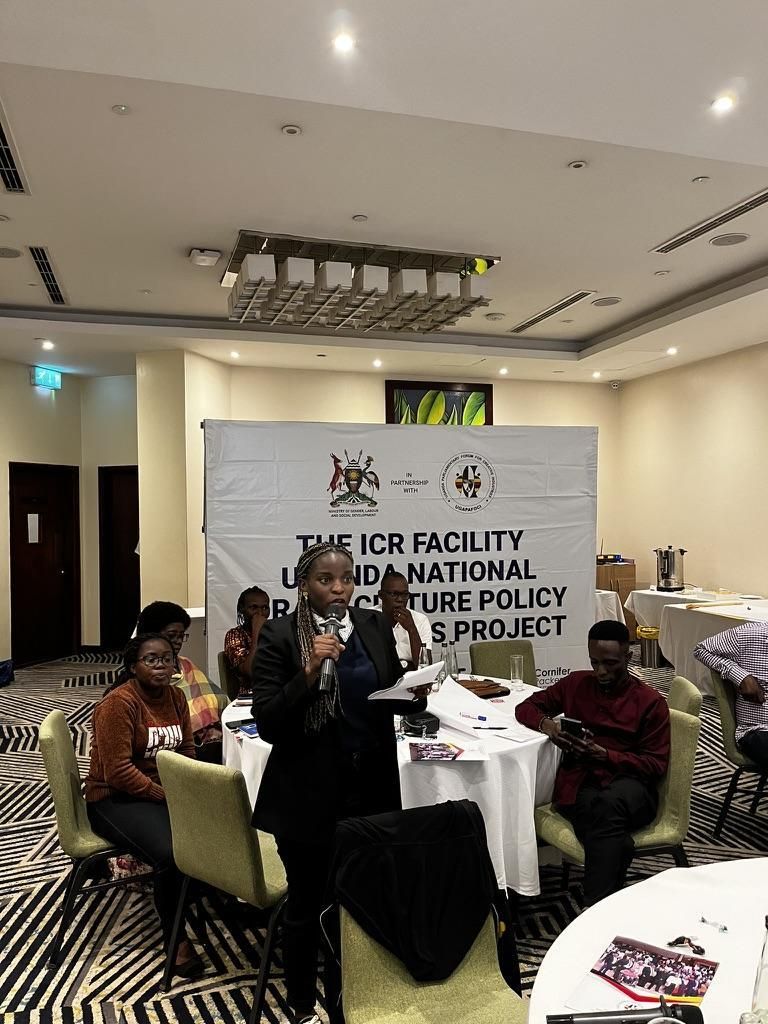
The measure of this work isn’t the revised document, though it’s a good one. It’s that a sector which had learned not to expect anything from its own government now has a policy it helped write, adopted by the ministry that will carry it, with the world’s cultural agencies lining up behind it.
Nineteen years is long enough for a generation of Ugandan artists to build entire careers the state never saw. The policy doesn’t give them that time back. What it does is settle the argument about whether 386,000 people constitute an industry, and once that argument is settled, the conversations about money change shape. Cabinet has the draft. The queue of international agencies that formed at UGAPAFOCCI’s door within months is the more honest verdict.